The Marketing Lesson Hidden in Home Staging
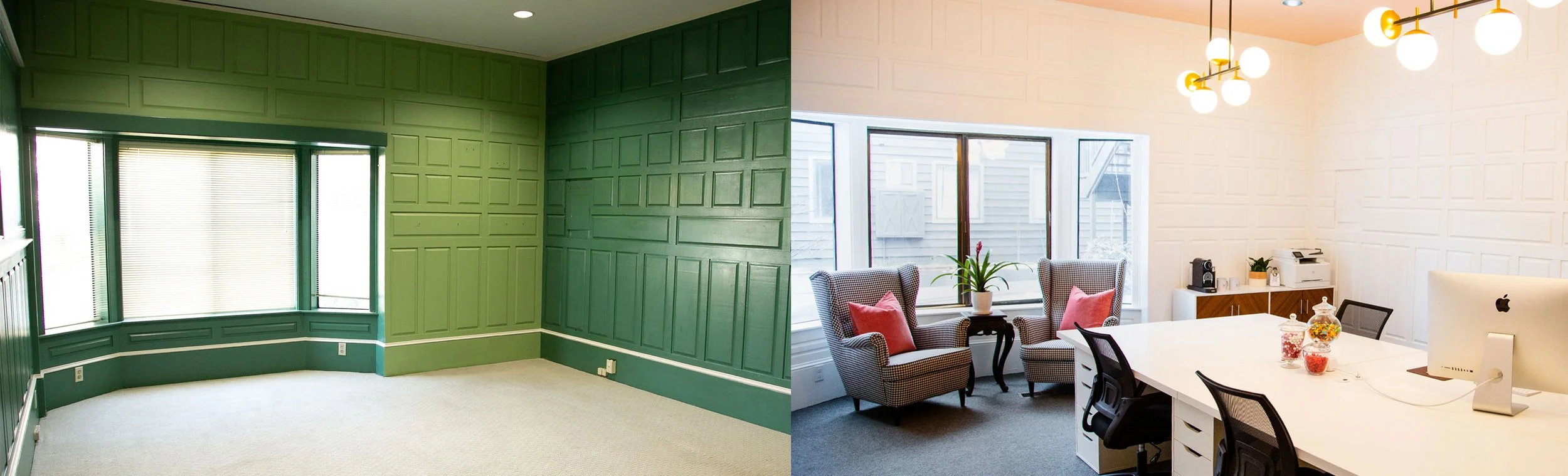
Anyone who has spent time around real estate knows this truth: an empty house is harder to sell. Not because the home is worse. Not because the square footage suddenly changed. It’s because when a house is empty, it’s harder for people to feel anything. Buyers walk through and say things like, “It’s nice…” but they struggle to picture themselves living there. There’s nothing helping their imagination along. In fact, that’s exactly why staging exists.
Think about it. A sofa defines the living room, a dining table suggests gatherings, and a throw draped over a chair hints at slow mornings with coffee. Once a home has context, everything changes. The rooms feel bigger, warmer, and more inviting. The house hasn’t physically changed, but the experience of walking through is completely different.
Interestingly, we see the exact same thing happen in marketing.
A lot of brands present themselves the way an empty house shows. You’ll see the product, maybe placed on a clean background, maybe styled nice enough. But there’s no life around it. No sense of what’s actually happening in the world around the brand. Technically, the marketing communicates what the product is, but doesn’t convey the experience.
Seriously, it’s the marketing equivalent of walking through an empty house. There’s nothing technically wrong, but it’s missing heart and soul.
One of the conversations we have early on with clients is that their product isn’t the story. What people are really buying is the life that happens around it.
A fire pit isn’t about steel and stone. It’s about people gathering after sunset. A beautifully designed kitchen isn’t about cabinetry and appliances. It’s about cooking with friends while someone pours another glass of wine. A luxury home isn’t square footage and finishes. It’s the feeling of the lifestyle. When marketing isolates the product from the context around it, it strips away the very thing people are trying to imagine.
When visuals show life happening around a product or even a personal brand, the viewer doesn’t have to work as hard to imagine the experience. Their brain fills in the rest of the story automatically, and suddenly it’s not just a brand; It’s a moment.
This is where a lot of folks miss an opportunity. They think the goal is to showcase their brand, clearly and beautifully. And yes, clarity matters. But clarity without context feels sterile.
A beautifully shot dining table is nice. But a dining table mid-conversation, with half-filled glasses and someone leaning in to laugh, tells you something about the life that happens there. A perfectly photographed outdoor space is pleasant. But a fire glowing while people gather around it after dark pulls you into the moment. The difference is subtle, but powerful. One shows an object. The other shows a scene.
When you start thinking that way, marketing shifts. You’re no longer just documenting a thing. You’re creating a setting that people can imagine themselves stepping into.
And that my friends is really the goal.